


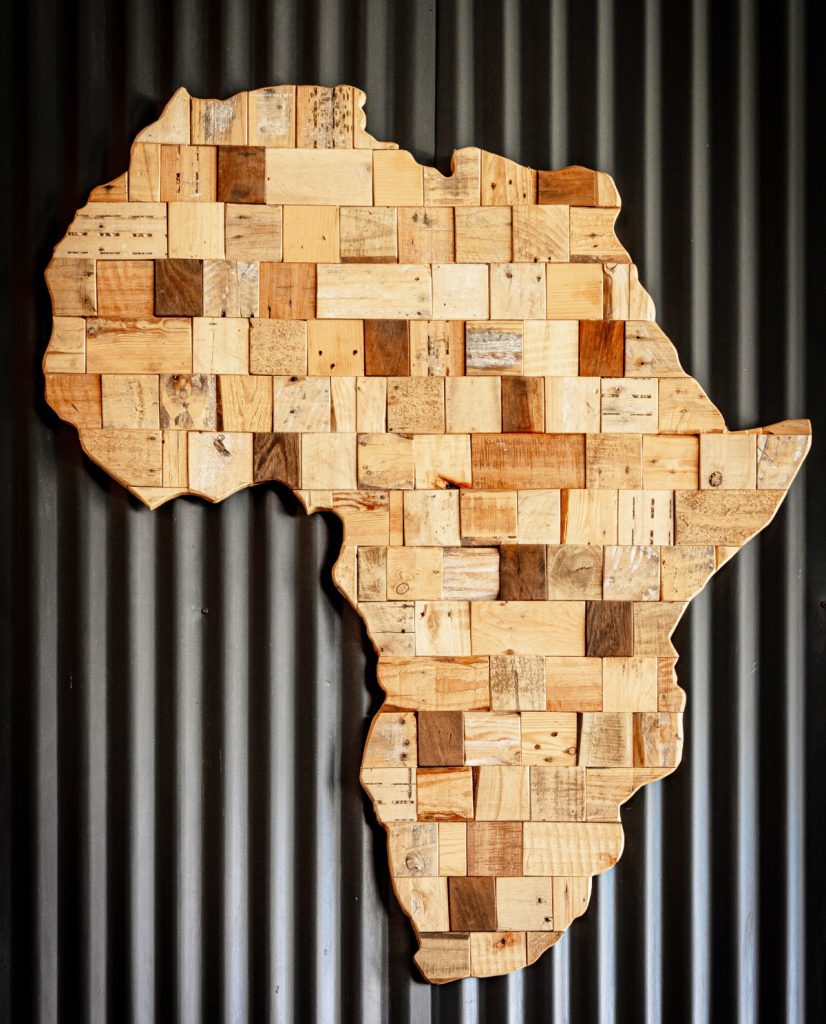
Africa has found itself as the centre for geopolitical competition, with its large demographic, its gradual integration and resource minerals. All of these have contributed to the continent gaining a sort of influence, a platform for global powers to actively sell their future visions and align themselves with Africa. This is where summits come in and are used to build relationships and further military and economic cooperation. Below are the different international summits with the African continent.
Summits are known to be a key tool in promoting geopolitical aspirations. They have become an important aspect of international politics, increasing the intensity of competition among global powers. Throughout history, summits have been criticised for their ongoing promotion of unequal power imbalances but there has been a slight change, a move away from the cosmetic to something more tangible and substantial.
European Union-African Union Summit


The leaders proposed a EUR 150 billion Africa-Europe Investment Package that will promote a shared 2030 goal and AU Agenda 2063. The investment package will contribute to the creation of economies that are more diversified, inclusive, sustainable, and resilient.
Russia-Africa Summit


They vowed to follow the rules of international law and committed to the purposes and fundamental principles of the United Nations (UN). During the summit, both the Russian Federation and African Continent expressed a strong desire to fully contribute to achieving global peace and security as well as the development of an international order that is just and equitable and is based on the values of respect for national sovereignty, territorial integrity, non-interference in the internal affairs of states, maintenance of national identity, and cultural diversity.
The summit also focused on sharing and promoting the objectives of African States as stated in their social and economic programme “Agenda 2063,” which was adopted in January 2015 at the 24th Ordinary Session of the African Union Assembly, as well as those found in the 2030 Agenda for Sustainable Development, which was adopted by the UN General Assembly in resolution 70/1 of September 25, 2015. And reiterating the commitment to gradually forge comprehensive collaboration between the Russian Federation, African States, and the continent’s top subregional groups. Part of the discussion also included the promotion of trade, between African states and the Russian Federation and to also address climate change and ways to live sustainably.
US-Africa Summit


The African Union and 50 African countries were invited to the summit, together with the private sector and civil society. All invited guests engaged extensively throughout the summit.
The summit’s main focus was to increase and better foster economic engagement, strengthen democracy and human rights within the African continent and the USA, lessen the impact of COVID-19 and future pandemics, work together in order to strengthen regional and global health, aid in promoting food security, ensure peace and security, address climate change and reinforce diaspora ties.
China-Africa Summit (The Forum on China-Africa Cooperation, FOCAC)


During the Forum they agreed to develop a China-Africa brand that is built on cooperation and solidarity, a banner that drives international cooperation with Africa under the principle of cooperation and consultation that benefits all. They also agreed on a multi-lateral trading system, rather than a unilateral one and firmly uphold an open world economy and opposed protectionism. This creation of China-Africa cooperation, highlighted the progress of Africa, making it possible for international partners to pay attention to Africa and increase their cooperation with the continent. African leaders agreed that the summit was a success and strengthened China-Africa cooperation and solidarity.
AU’s response to the unequal global economy towards African Leaders

He stated that Africa should be represented by the African Union Commission (AU) in these kinds of meetings. Being represented by the chair of the AU gives African leaders a chance to work together and be better represented on the world stage. This reflected a growing sense of self-determination and pride among African leaders through demanding better representation and fighting back against Western dominance in global affairs. African leaders are asserting themselves and sending a message that they will not allow more powerful nations to push them around.
He stated that a decision was made by African leaders, that it isn’t smart for all 54 of them to go sit in front of one leader from another place or to be mistreated while there, by being loaded into buses like school kids. He has made it known that moving forward, they’ll be represented by the chair of the AU.
Frenchside Translation
Frenchside is a licenced translation agency with offices in Pretoria, Johannesburg, Durban, and Cape Town. We offer top-notch translation services in all 11 of South Africa’s official languages as well as English, French, Portuguese, German, and Spanish. We offer translation services for papers related to immigration, education, the government, law, medicine, technology, and worldwide marketing. Please get in touch with our office if you need assistance with any language-related concerns. Our company stands out from other language service providers by providing excellent services at affordable pricing.
For more information about the services we provide, contact one of our qualified project managers at 012 348 3134 or 081 347 6060. Additionally, you can email us at info@frenchside.co.za.


