


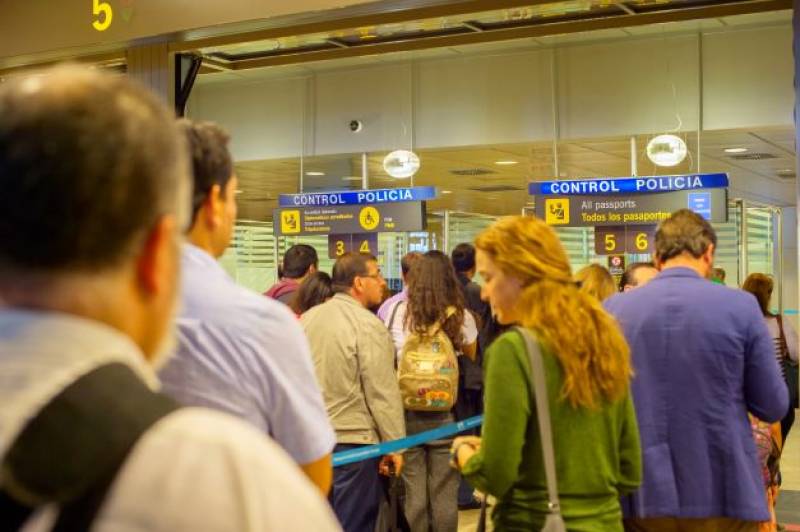
Spain is opening its doors wider to travellers from several African countries in 2026 by granting visa-free access for up to 90 days in any 180-day period. This exciting change will apply to citizens of Botswana, Namibia, Swaziland (Eswatini), Lesotho, Mauritius, Seychelles, Cape Verde and Rwanda, allowing them to visit Spain without the hassle of securing a visa beforehand. This move not only promotes tourism and business but also strengthens cultural and economic ties between Spain and these African countries.
If you’re planning to explore Spain in the coming year and hail from one of these countries, understanding the entry requirements and related travel systems is essential to ensure a smooth and enjoyable journey.
Visa-free access doesn’t mean guaranteed entry
One common misconception is that visa-free access means guaranteed entry into Spain. In reality, having visa-free access status allows you to travel to the border, but final admission depends on border authorities’ discretion. They assess documents, purpose of visit, and other factors before granting entry to Spain.
So, while visa-free access simplifies the process, it doesn’t eliminate the need for proper preparation and compliance with Spain entry requirements. African Travelers should always be ready to present necessary documentation and answer questions to ensure smooth entry into Spain. It’s important to note that travellers must meet the following entry conditions:
- Valid Passport: Ensure your passport is valid for at least three months beyond your planned stay and has been issued within the last 10 years.
- Travel Purpose: Be ready to explain your reason for visiting, whether tourism, business, or family visits.
- Proof of Funds and Accommodation: Demonstrate that you have sufficient funds to cover your stay and provide evidence of where you will be staying.
- Return or Onward Ticket: Have documentation showing your plan to leave Spain before the 90-day visa-free period expires
- ETIAS Authorization: Apply online for the ETIAS travel authorization ahead of your trip.
European Travel Information and Authorisation System (ETIAS)
African travellers benefiting from visa-free access will also need to be aware of the European Travel Information and Authorisation System, or ETIAS which is set to be launched in the fourth quarter of 2026. It is a simple online pre-travel authorization designed to enhance border security while making entry smoother for travellers. Applying takes just minutes, and once approved, your ETIAS is valid for three years or until your passport expires—whichever comes first.
Before traveling, eligible visitors will be required to apply online for an ETIAS authorization. This application process includes a security screening to assess potential risks and confirm that travellers meet the entry criteria. The process is straightforward, typically involving a short form submission and a fee payment, with approvals often granted quickly. Having an approved ETIAS is mandatory for boarding flights or entering Spain and other Schengen Area countries.
The EU Entry/Exit System (EES) – New Biometric Border System
Alongside ETIAS, Spain has adopted the EU Entry/Exit System (EES), a modernized border management system designed to track entry and exit data of non-EU nationals. EES became fully operational on April 9, 2026 across all Schengen member states, including Spain. The EES replaces traditional passport stamping with electronic recording, helping authorities manage border security more efficiently and identify overstays promptly.
When you enter or leave Spain, your travel data, such as passport information, fingerprints, and photograph, will be collected electronically. This system supports faster border checks and better overall control of the EU’s external borders, contributing to safer and more streamlined travel experiences.
The 90/180- Day Rule
It’s vital for African travellers to understand the Schengen 90/180 day rule. This rule allows you to stay in Spain—and the entire Schengen Zone—for up to 90 days within any 180-day period. Essentially, you can enjoy your visit but must track your days carefully.
Exceeding this limit can lead to fines and possible entry bans, so keeping an eye on your travel calendar is crucial. The rolling 180-day period means each day you spend in Spain or other Schengen countries counts toward your total stay. You may not exceed 90 days total across all Schengen countries.
Example: If you spent 30 days in France and 30 days in Germany in the last 180 days, you have 30 days remaining for Spain.
How to Calculate Your Remaining Schengen Days
Use the EU Short-Stay Calculator at ec.europa.eu to calculate your remaining days.
- Enter your past entry and exit dates for all Schengen countries.
- The calculator shows how many days you have remaining.
- EES now tracks this automatically — border officers can see your remaining days instantly.
Certified Spanish translation for Visa Application in South Africa
Frenchside Translation offers expert certified Spanish translation and Hague apostille services tailored for Spain visa application needs in Johannesburg, Pretoria and Cape Town. Whether it’s a police clearance certificate, medical certificate, or DIRCO apostille certificate, we ensure your documents meet official requirements. Simplify your process with trusted professionals.
We offer fast service and good prices. Contact us at 012 348 3134 or e-mail us at info@frenchside.co.za. We’ll be more than happy to answer any questions you may have.