Certified Translation of Congolese (DRC) Civil Registry Documents – South Africa
Navigating the paperwork jungle can be overwhelming—especially when it comes to official documents from abroad. If you’re a Congolese citizen in South Africa, or assisting one, you’ll know just how often civil registry documents such as birth, marriage, and death certificates crop up. This week, let’s unravel what certified translation of these documents really means, why it matters, and how to get it right the first time.
Why Are Certified Translations Needed?
Congolese civil registry documents—those vital records known as actes de l’état civil—are indispensable in all sorts of official scenarios:
- Immigration procedures
- University enrolment
- Qualification recognition
- Nationality applications
South African authorities require these documents to be translated into English by a certified professional. Not just any translation will do; it must be legally valid and recognised for your application to proceed smoothly.
Understanding Congolese Civil Registry Documents
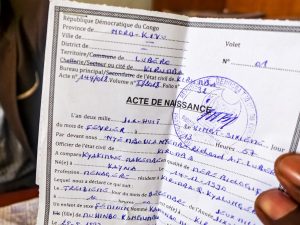
Let’s demystify what you might find in your paperwork. All Congolese civil registry documents are issued in French (the official language of the DRC) and managed locally by communes or main registry offices. If you’ve missed a registration deadline, you might also have a jugement supplétif (suppletory judgment) to contend with.
- Acte de Naissance: Birth certificate or extract
- Acte de Mariage: Marriage certificate
- Jugement Supplétoire: Issued for late registrations
- Casier Judiciaire: Police clearance/certificate of good conduct
Each document is not just a formality—it’s evidence of identity, family ties, and legal status. That’s why accuracy in translation is paramount.
What Is a Certified Translation?
A certified translation (sometimes called sworn or official translation) is not just a word-for-word conversion. It’s a translation that’s stamped and signed by a certified professional, confirming that the English version faithfully represents the French original. South African authorities treat this translation as legally equivalent to the original document.
Translation Challenges of Congolese (DRC) Civil Registry Documents
- Legal phrasing: Congolese documents often contain formal, even archaic French that demands meticulous translation.
- Stamps and signatures: Multiple official seals and signatures must be noted—nothing can be glossed over.
- Regional variations: Format and terminology can differ from province to province.
- Handwritten headaches: Many records are handwritten, sometimes in faded ink or challenging cursive, making them difficult to decipher and translate accurately. Automated reading tools often fail here.
Preparing Your Documents for Translation
- Scan or photograph every page in colour. Black-and-white images can miss vital details like stamp hues or faint signatures.
- Include the entire page. Don’t crop margins—official marks and notations often live in the corners.
- Use high-resolution formats. A clear PDF or high-quality JPEG saves everyone time (and can even save you money on quotes).
- List all names in English spelling. Provide these separately to ensure they match your passport or visa paperwork—no guessing games for the translator.
Why Choose Frenchside Services?
If you’re after a professional, certified French-to-English translation of your Congolese birth certificate or any other civil registry document, Frenchside Services is ready to help. Here’s what you can expect:
- Fast turnaround—often within 24 to 48 hours
- 100% human translations by seasoned professionals
- Documents accepted by immigration, universities, and employers across South Africa
- Expertise with handwritten and complex documents
Getting your certified translation right the first time saves you stress, time, and potential delays in your application process.
Tel: +27 12 348 3134;
Mobile: +27 81 347 6060;
Email: info@frenchside.co.za