A Guide to the Official Languages of Switzerland
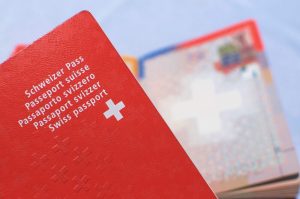
Switzerland recognizes German, French, Italian, and Romansh as its official languages, reflecting its unique position in the heart of Europe. These languages aren’t just formalities; they map out distinct regions and identities within the country. Most Swiss people are not proficient in all four national languages, as they typically live and communicate within their own language region. The distribution of languages is influenced by the language borders between different language regions. Switzerland share border with France, Germany, Italy, Austria and Liechtenstein.
Whether you’re curious about the official languages of Switzerland or how this multilingualism shapes everyday life, this post will guide you through the fascinating world of Switzerland languages.
What are Switzerland’s official languages?
French : Spoken by about 23% of the population, French dominates the western region known as Romandie. It’s close to standard French but carries its own local flavor and accent, giving it a charming Swiss twist. Major cities like Geneva and Lausanne are vibrant centers of French-speaking culture and international diplomacy.
German: The most widely spoken language, German claims around 62% of Swiss speakers. What’s fascinating is the spoken form—known as Swiss German or Deutschschweiz—which is a collection of Alemannic dialects varying widely across regions. However, the written language remains standard German, making communication in education and official contexts smoother.
Italian: Italian is spoken mainly in southern Switzerland, particularly in the canton of Ticino. Roughly 8% of the population has Italian as their mother tongue. While written Swiss Italian closely resembles standard Italian, the spoken dialects can vary and are influenced by both German and French. Cities like Lugano showcase this lively Italian-speaking culture.
Romansh: The smallest and most unique of the group, Romansh is spoken by less than 1% of the population, primarily in the remote canton of Graubünden. With roots in Latin, Romansh is a cherished symbol of local identity, officially used mostly in communications involving Romansh speakers and federal authorities.
Distribution of official languages within Switzerland
These Official Languages are not evenly spread in Switzerland. The distribution of these languages creates distinct “language regions” in Switzerland :
- Deutschschweiz – German-speaking Switzerland covers central, northern, and eastern parts of the country. This region includes major economic and cultural hubs such as Zurich, Basel, Bern, and Lucerne. While Swiss German dialects are commonly used in everyday conversations, Standard German remains the official language for education, media, and government
- Romandie – French-speaking Switzerland, known as Romandie, is located in the western part of the country. This region includes major international and diplomatic hubs such as f Geneva, Vaud, Neuchâtel, and Jura, along with bilingual areas in Fribourg and Valais.
- Ticino– Italian-speaking region lies south of the Alps and is made up primarily of the canton of Ticino, along with a few southern areas of Graubünden. Lugano is the largest city in this region and serves as a financial and cultural hub.
- Romansh-speaking region – Remote valleys in Graubünden. Although most residents also speak German, Romansh remains an important symbol of local identity.
How Does Multilingualism Affect Daily Life in Switzerland?
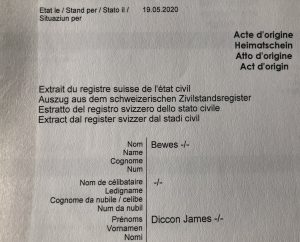
Switzerland’s multilingualism isn’t just a quirk; it’s a cornerstone of its society. The Swiss Federal Act on National Languages and Understanding between Linguistic Communities underscores the country’s commitment to fostering harmony among its language groups. Enacted in 2007 and effective since 2010, this law supports language promotion programs. It requires federal services to offer translation and communication in German, French, and Italian. It also ensures that all official legal documents must be provided in the main official languages which are German, French, and Italian.
In Swiss schools, children typically learn in their region’s main language but are often introduced to other national languages. This linguistic fluidity also bolsters Switzerland’s reputation as a global hub for diplomacy, international organizations, and cross-cultural exchange.
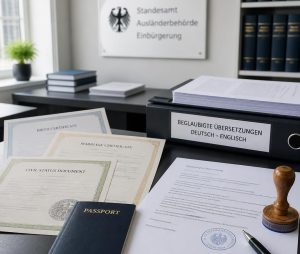
If you need help translating official documents from Switzerland, we’re here to assist. Our expert team can provide professional translation and interpretation services. Contact us today to learn more about how we can support your language needs.
Tel: +27 12 348 3134;
Mobile: +27 81 347 6060;
Email: info@frenchside.co.za