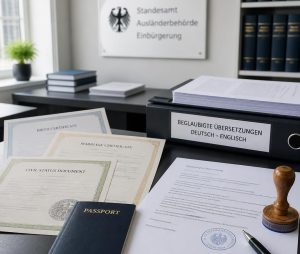
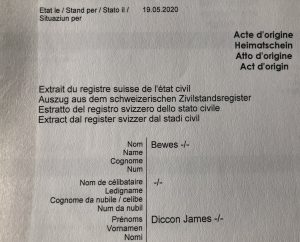
When it comes to translating German civil registry documents, precision is everything. This isn’t just about swapping words from one language to another; it demands a deep understanding of legal terms, administrative nuances, and the specific requirements that come with official documentation. Whether you’re dealing with a birth certificate, marriage certificate, or death certificate from Germany, having a certified translation is often essential, especially for use in South Africa.
In this blog, we’ll explore why certified translations of these documents matter, what they entail, and how the process fits into legal and administrative frameworks both in Germany and South Africa.
Understanding German Civil Registry Documents
Civil registry documents record major life events such as births, marriages, and deaths. In German, these records are known as Standesamtsregister, Zivilstandsregister, or Personenstandsregister. The information is officially maintained by the civil registrar (Standesbeamte) at the civil registry office, called the Standesamt.
The most commonly translated documents include:
- Birth certificates (Geburtsurkunden)
- Marriage certificates (Heiratsurkunden)
- Death certificates (Sterbeurkunden)
These documents contain vital details such as names, dates, and places, often with legal annotations or marginal notes that might record changes like name alterations or divorces.
Why Are Certified Translations Necessary?
If you need to use German civil registry documents in South Africa, an accurate translation is not just helpful — it’s legally required. Whether you’re applying for a visa, registering a marriage, dealing with inheritance matters, applying for citizenship, or verifying academic or employment credentials, South African authorities insist on certified translations.
In these settings, an informal or unverified translation simply won’t do. Authorities like the Department of Home Affairs and the courts require translations that are officially certified to confirm their accuracy and completeness.
Sworn Translation in South Africa: What Does It Mean?
In South Africa, a sworn translation is performed by a translator who has taken an official oath before a judge in the Division of the High Court. This certification assures that the translation is a truthful and precise representation of the original document.
Key features of a sworn translation include:
- A complete and faithful translation of the original document
- A signed declaration by the translator stating their fluency, contact details, and confirmation that the translation is true and accurate
- The date of certification
- Translator’s contact information
Without this certification, translations of German civil registry documents are likely to be rejected by South African authorities.
The Role of Apostille and Legalisation
Before translation, German civil registry documents often need to be legalised for international use through an Apostille, as per the Hague Convention. This official stamp verifies the authenticity of the document itself but does not replace the need for a translation.
The usual procedure involves:
- Obtaining the original German civil registry document
- Legalising it with an Apostille in Germany, if required
- Commissioning a certified translation into English
- Submitting both the original and the certified translation to the relevant South African authority
Professional translators familiar with this process ensure that any details related to the Apostille are properly incorporated into the translation.
Final Thoughts
Translating German civil registry documents is a task that calls for professionalism, legal expertise, and meticulous attention to detail. Whether for immigration, legal proceedings, or personal matters, ensuring your documents are accurately and officially translated will save you time and avoid complications.
So, if you’re navigating this process, remember: certified translations aren’t just a formality—they are a crucial step in making sure your documents hold their full legal weight abroad.
Our certified translators produce high-quality translations of German civil registry documents in South Africa. Contact us today to learn more about how we can support your language needs.
Tel: +27 12 348 3134;
Mobile: +27 81 347 6060;
Email: info@frenchside.co.za